

Perimenopause & Supplements: What’s Worth Considering?
Navigating the perimenopause to menopause transition can feel confusing, especially when symptoms begin to shift and you’re suddenly surrounded by advice on what you “should” be taking. Supplements are often marketed as quick fixes, but the truth is more nuanced. Some can genuinely support sleep, mood, hot flushes and bone health, while others offer little more than clever packaging. In this blog, we explore which supplements have evidence behind them, which may help depending on your symptoms, and how to choose what’s right for you during the perimenopause to menopause transition.

Navigating the Perimenopause to Menopause: Practical Ways to Support Your Body Through the Transition
Perimenopause is a deeply individual experience — no two women navigate it in the same way. While understanding the hormonal changes is an important first step, what truly makes a difference is having personalised guidance that helps you make sense of your symptoms, your lifestyle, and your wellbeing needs. Our 1‑to‑1 Menopause Wellbeing Consultations offer a calm, supportive space to explore what’s happening in your body and build a tailored plan that helps you feel clearer, steadier, and more in control throughout this transition.

Surviving This Heatwave While Navigating the Perimenopause to Menopause Transition
Navigating a heatwave is challenging enough, but when you’re moving through the perimenopause to menopause transition, it can feel like the temperature has doubled. Hormonal shifts make your internal thermostat hypersensitive, so every rise in heat, stress or activity hits harder than usual. If you’ve found yourself battling intense flushes, struggling to cool down, or feeling unusually irritable or drained, you’re not imagining it. This is your body working overtime in conditions that push its limits. With the right strategies and a little self‑compassion, you can stay cooler, calmer and far more in control during the hottest days.

Bloating in the Perimenopause to Menopause Transition
Bloating is one of the most common — and most overlooked — symptoms of the perimenopause to menopause transition. For many women, it arrives suddenly and unpredictably: a stomach that feels fine in the morning can feel swollen, tight, or uncomfortable by mid‑afternoon. Meals that were once easy to digest can start triggering fullness, pressure, or visible distension.
These changes aren’t imagined, and they’re not a sign that you’re “eating the wrong things.” They’re a physiological response to shifting hormones, fluctuating gut motility, rising stress levels, and changes in the microbiome — all of which influence how your digestive system behaves.
During perimenopause, oestrogen and progesterone rise and fall in ways that directly affect digestion, fluid balance, and abdominal sensitivity. The result? A gut that feels more reactive, slower, and more easily overwhelmed. Add in midlife stress, disrupted sleep, and the natural changes in muscle tone around the core and pelvic floor, and bloating becomes a very understandable — and very manageable — symptom.
This article explores why bloating increases, what’s happening inside your gut, and evidence‑based ways to support comfort, confidence, and ease during this stage of life.

When the World Feels “Too Much”: Sensory Sensitivity in Perimenopause
Sensory sensitivity is one of the most overlooked symptoms of perimenopause. If the world suddenly feels louder, brighter or more overwhelming than it used to, you’re not imagining it. Hormonal shifts can change how your brain processes everyday sensory input — and understanding why it happens can bring real relief.

When Bladder Leaks Happen: What’s Really Going On and How You Can Take Back Control
Bladder leaks have a way of catching you off guard; a laugh, a sneeze, a sudden urge, and suddenly you’re dealing with something you never used to think twice about. It can feel frustrating, embarrassing, or like your body is working against you. But bladder leaks during the perimenopause to menopause transition aren’t a personal failing. They’re a physiological response to hormonal shifts and once you understand what’s really going on, you can start to take back control.

When a Hot Flush Hits: What’s Really Going On and How You Can Take Back Control
Hot flushes have a way of taking over your day… one moment you’re fine, the next you’re burning from the inside out. But these sudden waves of heat aren’t something you just have to “put up with.” They’re a real neurological shift during menopause, and once you understand what’s happening, you can start to take back control of your body and your calm.

When You Just Don’t Feel Like Yourself: Making Sense of the Perimenopause to Menopause Transition
So many women reach a point in their 40s or 50s where they quietly think, “I just don’t feel like myself anymore.” Not unwell, not unable to cope — just not you. These subtle shifts in mood, energy, confidence and clarity are often the earliest signs of the perimenopause transition, long before anyone mentions the word “menopause.” Understanding what’s happening in your body can be the difference between feeling lost and feeling grounded again.

Joint Pain in the Perimenopause to Menopause Transition
Joint pain is one of the most common and most overlooked, symptoms of the perimenopause to menopause transition. Many women describe waking up feeling stiff, achy, or as though their body has suddenly aged overnight. In reality, these changes aren’t a sign of decline. They’re a reflection of the powerful hormonal shifts happening beneath the surface.
Oestrogen, progesterone, and testosterone all play a role in joint comfort, muscle strength, and inflammation. As these hormones fluctuate, it’s completely normal to notice new aches, slower recovery, or a sense that your body simply moves differently. Understanding why this happens — and what you can do to support your joints, can make this stage feel far less confusing and far more manageable.

Skin & Hair Changes in the Perimenopause to Menopause Transition
Skin and hair can change dramatically during perimenopause and menopause. As oestrogen drops and hormones shift, skin may feel drier or more reactive, and hair can thin, shed, or lose its usual shine. These changes aren’t “ageing badly”, they’re physiological, normal, and absolutely manageable with the right support.

Low Libido in the Perimenopause to Menopause transition
Low libido is one of the most common and least openly discussed changes women experience during the perimenopause to menopause transition.

Sleep Disturbance in Perimenopause to Menopause transition: What’s Really Going On?
Sleep disturbance affects a significant proportion of women during this hormonal transition, and it’s driven by real physiological shifts, not personal failure.

Understanding Hot Flushes: What’s Happening in Your Body and What Can Help
Understand why hot flushes happen during the Perimenopause to menopause transition and explore evidence-based strategies to reduce their impact.

Understanding Brain Fog in Perimenopause: The Science Behind the Fuzziness
Explore the science behind menopause brain fog and discover practical strategies to support focus and cognitive wellbeing.
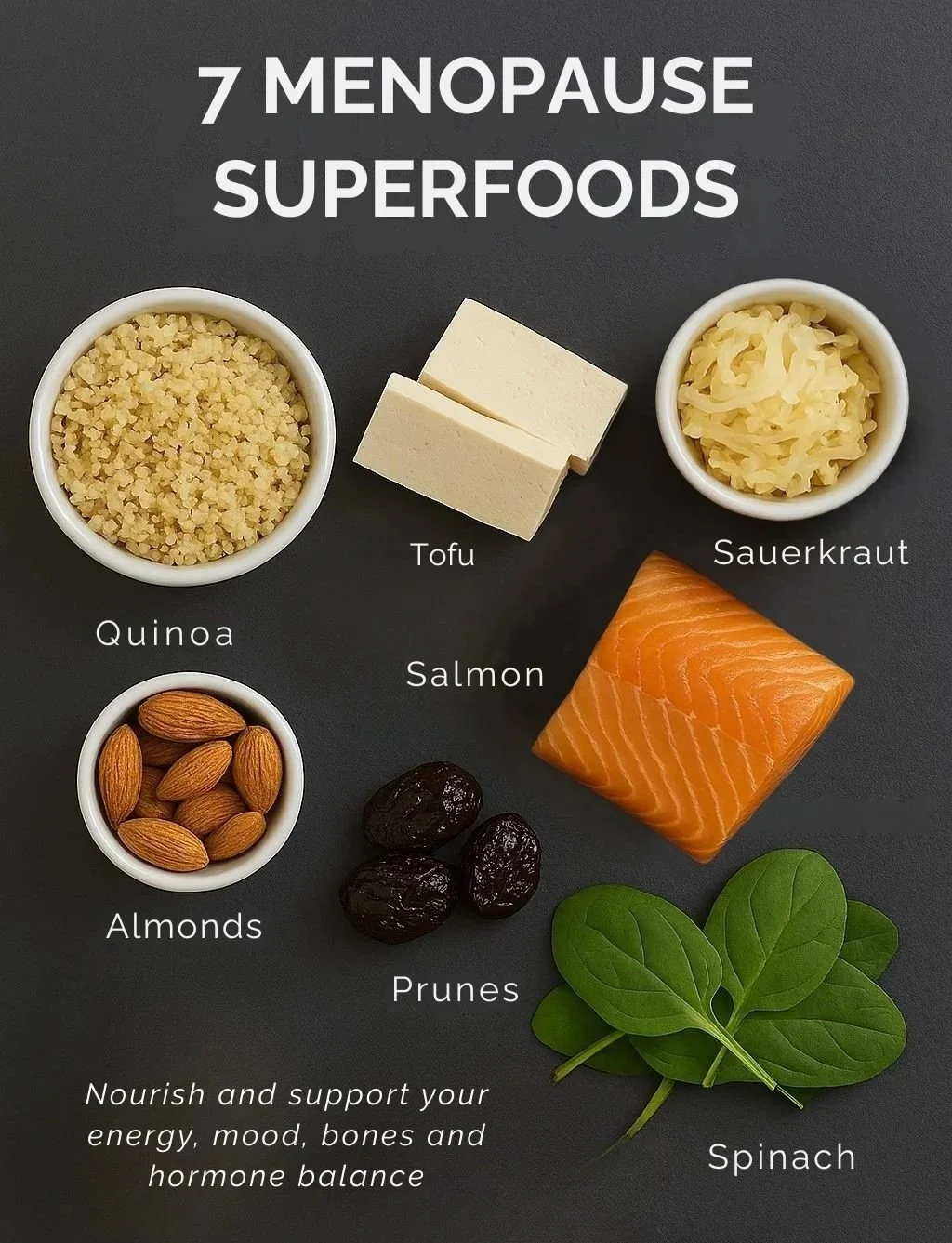
7 Menopause Superfoods to Support Energy, Mood, Bones and Hormone Balance
Discover the nutrients that support hormone balance and overall wellbeing during the perimenopause to menopause transition.

Understanding the Perimenopause to Menopause Transition
The perimenopause to menopause transition is a powerful hormonal shift that can reshape everything from mood and sleep to energy, cognition, and body composition.